Cost of Aluminum Cladding: What You Really Pay For and How to Make the Right Choice
Aluminum Cladding Panels Market on the Rise in the USA

One of the main aspects of modern construction is fire safety. That being said, you must always take the most appropriate choice of the right exterior materials. Whether you are developing a residential, commercial, or public-sector project, choosing the right option can have a direct effect on safety, compliance, and long-term performance.
This guide is written to educate and support decision-makers looking for fire resistant aluminum cladding in the USA. We want to make you see what will really count when it comes to the choice of aluminum cladding panels, what dangers to avoid, and how the validity of fire resistance can be assessed.
What Are Fire Resistant Aluminum Cladding Panels?
Actually, these panels are made with real and pure aluminum with high strength and proven certification. They help prevent ignition, do not promote flame, and do not release excessive smoke during any fire accident. Fire-resistant aluminum panels are not like wood, vinyl, or plastic-based composites, which…
- Do not burn
- Do not fuel fire spread
- Maintains predictable behavior under high temperatures
This makes aluminum cladding a preferred choice for safety-conscious projects across the USA, especially where building codes and occupant protection are critical.
Why Not All Aluminum Panels in the Market Are Truly Fire Resistant
One of the biggest mistakes buyers make is assuming that all aluminum cladding panels offer the same fire performance. In reality, many products sold as “aluminum panels” are:
- Aluminum-faced composite panels with combustible cores
- Mixed-material systems using adhesives that fail under heat
- Lightweight decorative sheets without fire testing
These products may look similar, but behave very differently during a fire.
Key Risks of Non-Certified Panels
- Faster flame spread
- Higher smoke development
- Code compliance issues
- Increased liability for builders and property owners
This is why verified fire testing and material transparency should always guide your decision.
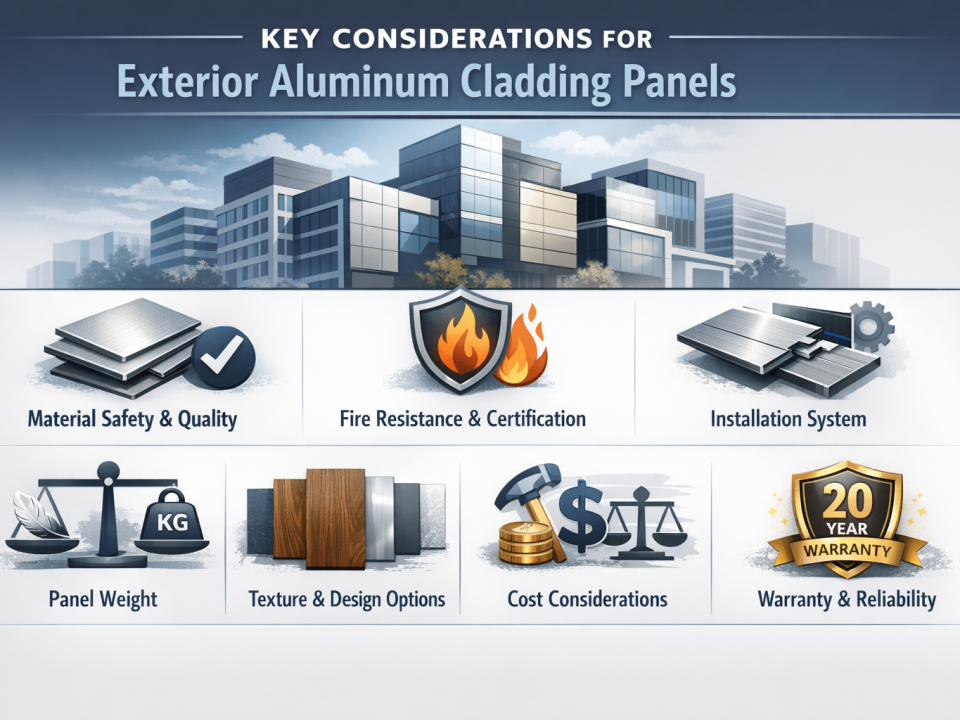
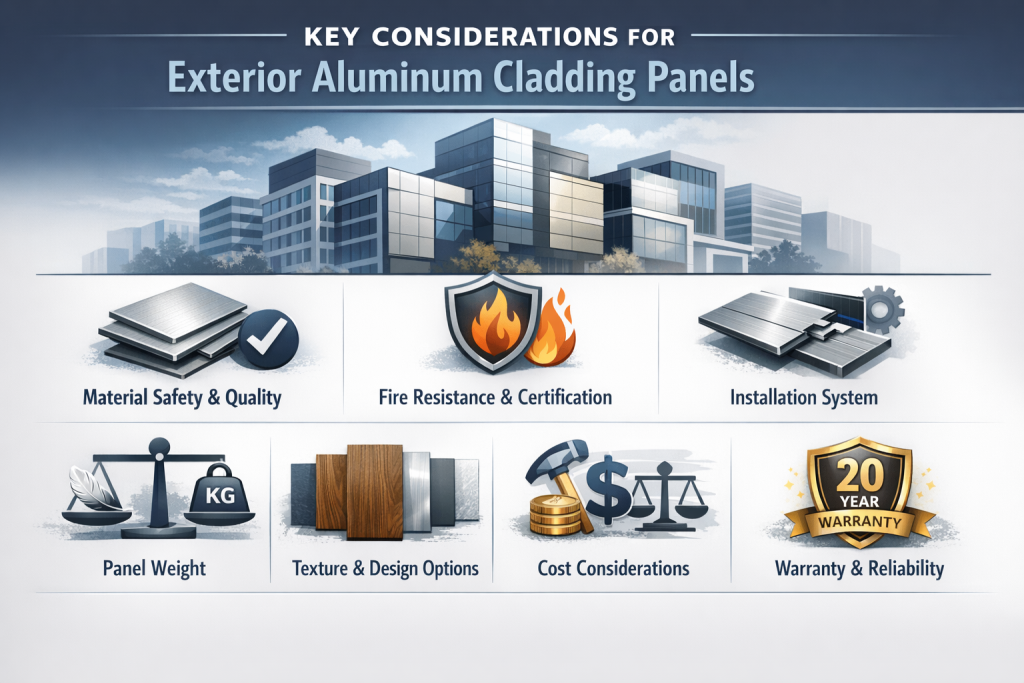
How to Choose Fire Resistant Aluminum Cladding for Your Project
When evaluating fire-safe aluminum cladding in the USA, here are the most important points to consider:
1. Material Composition
Look for solid, architectural-grade aluminum, not aluminum skins bonded to combustible cores. Non-combustible aluminum is the foundation of fire resistance.
2. Fire Testing Standards
Always confirm that the product has been checked and tested according to the known U.S. standards.
3. Third-Party Approvals
Independent approvals, especially from authorities like Miami-Dade County—indicate rigorous evaluation beyond basic marketing claims.
4. Transparency
Reliable manufacturers openly publish certifications, testing data, and technical documentation.
5. Long-Term Performance
Fire safety should remain consistent over decades, not just at installation. Warranty coverage and material stability matter.
GTO Aluminum: A Reliable Partner for Fire Resistant Aluminum Cladding in the USA
After helping readers understand what to look for, it’s important to explain how we meet these expectations.
At GTO Aluminum, we produce the aluminum cladding systems where the protection, compliance, and long-term reliability are at the heart of our production process.
Non-Combustible 6063-T5 Aluminum Construction
We use architectural-grade 6063-T5 extruded aluminum. It is a non-combustible substance and does not ignite or cause flame propagation. This material can eliminate many of the risks associated with composite or plastic-based cladding systems.
Class A Fire Rating
Our aluminum cladding panels have passed ICC ASTM E-84 testing. They have achieved a Class A fire rating. This is the highest fire performance classification under this standard.
For projects in the USA, this means:
- Very low flame spread
- Very low smoke development
- Suitability for residential and commercial applications
This certification is documented on our official Data & Certifications page, ensuring transparency and verification.
Certification reference: https://gtoaluminum.com/data-certifications/
Miami-Dade County NOA Approval
Our products are approved under Miami-Dade County NOA No. 24-0408.05.
Miami-Dade approvals are widely respected across the USA due to their strict testing requirements. This approval reinforces confidence in our systems for high-standard construction environments.
Fire Resistance Cladding for Real-World Buildings
Our aluminum cladding panels are used in applications where safety is essential, including:
- Schools
- Hospitals
- Commercial buildings
- Multi-unit residential projects
Because solid aluminum does not burn like wood or plastic-based materials, our systems provide peace of mind without compromising architectural design.
Contact us!
Summary:
Choosing fire resistant aluminum cladding is a responsibility—not just a design decision. The safest projects are built on:
- Non-combustible materials
- Verified fire testing
- Independent approvals
- Transparent documentation
This is the guide that will assist you in making that decision wisely. Making manufacturers transparent in terms of data and certifications will allow buyers to make a judgment regarding the safety in a good manner, and that is the way how trust is created.
FAQs
1. Are all aluminum cladding panels fire resistant?
No. Only panels made from solid, non-combustible aluminum and supported by recognized fire testing can be considered truly fire resistant. Many composite panels on the market contain combustible cores.
2. Why does ASTM E-84 Class A matter for projects in the USA?
ASTM E-84 is one of the most widely referenced fire performance standards in the USA. A Class A rating indicates minimal flame spread and smoke development, which makes it suitable for safety-focused construction.
3. Does GTO Aluminum provide long-term warranty coverage?
GTO Aluminum offers an extended 20-year product warranty to ensure long-term confidence in performance and durability.