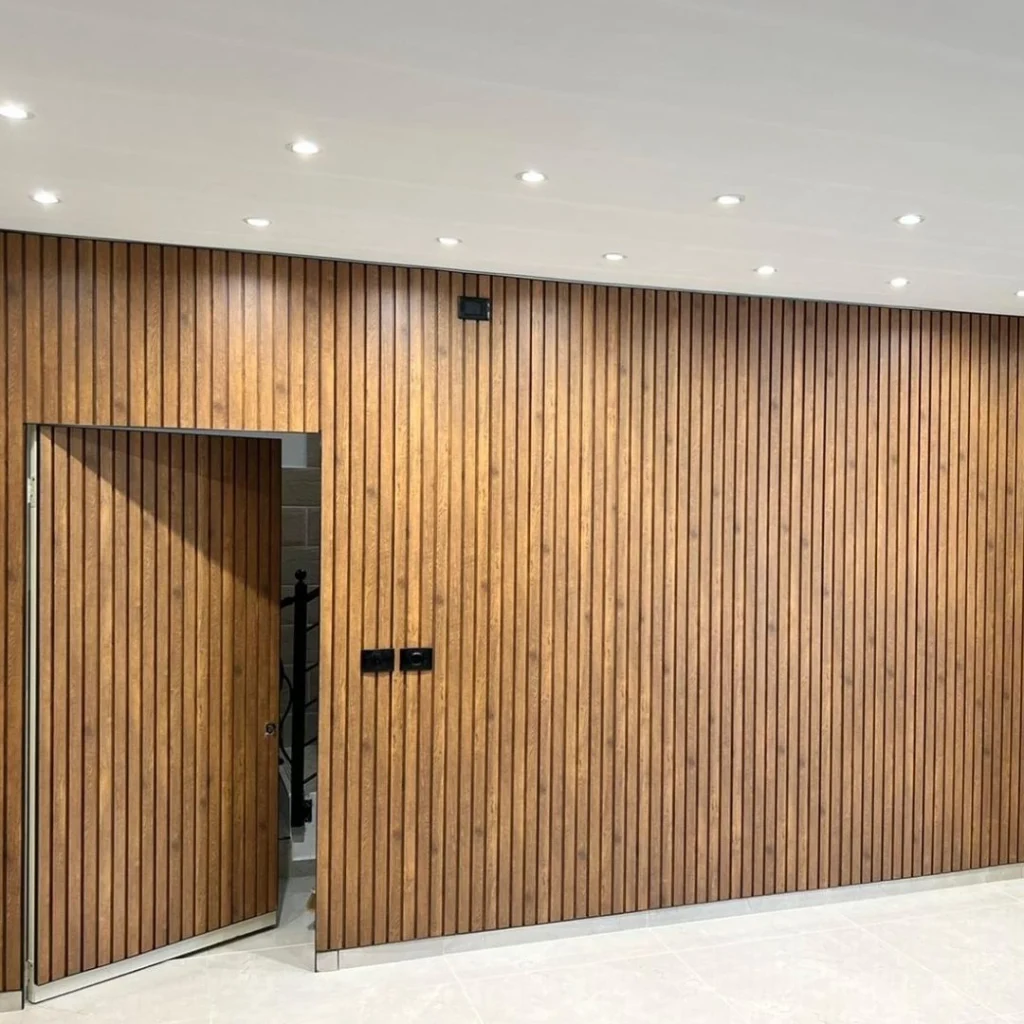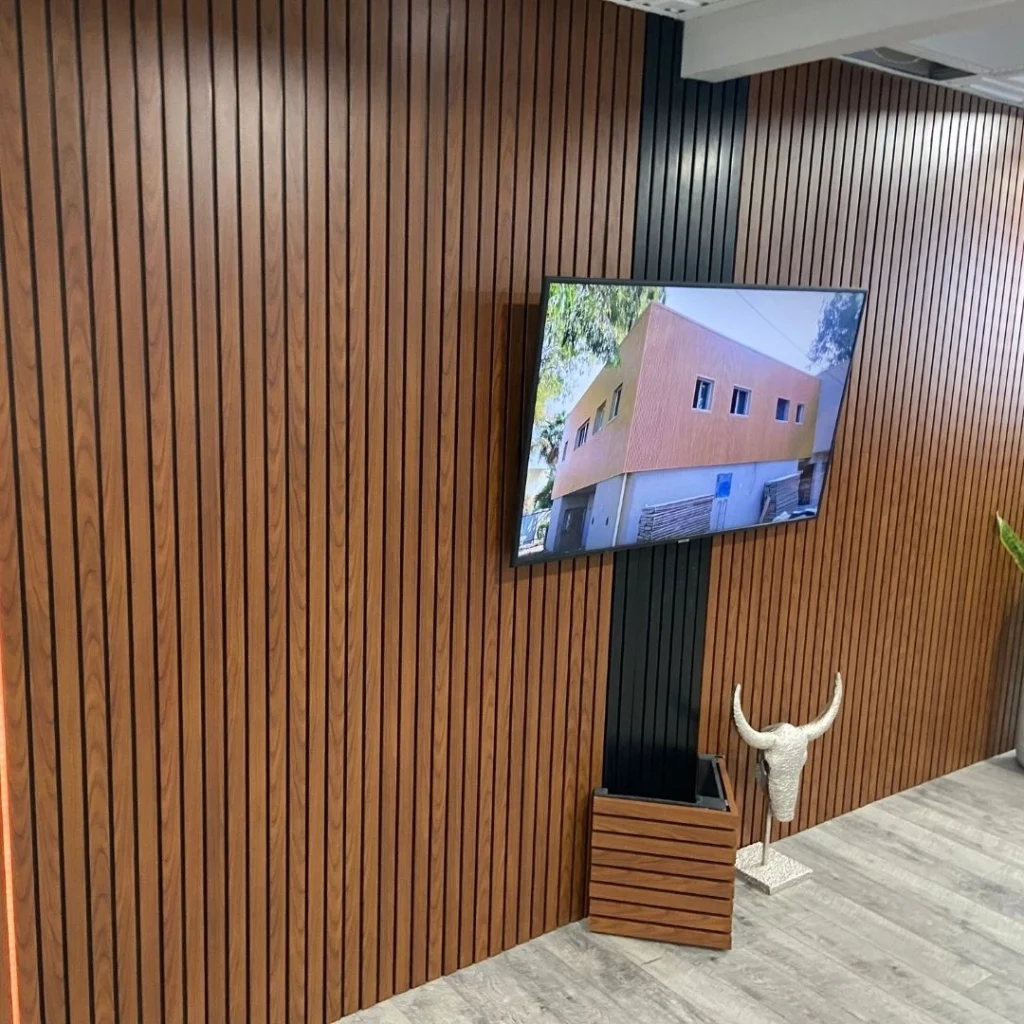
Aluminum Cladding vs Other Cladding Materials: What You Need to Know
How to Choose Fire Resistant Aluminum Cladding Panels in the USA: A Guide by GTO Aluminum

When individuals ask about the cost of aluminum cladding, they are hardly asking about a figure. The question they are interested in knowing is: Is it worth it? Can I buy high quality or mere polish? And will this decision cost me, or would I save money in the long run?
This article will help the contractors, designers, architects, to make a bold decision. No sales pressure. No confusing technical talk. Just real factors that actually decide how much aluminum cladding will cost you — and why some choices are smarter than others.
What Really Determines the Cost of Aluminum Cladding?
The cost of aluminum cladding depends on two major factors:
- The quality of the aluminum material itself
- The installation method and labor involved
Let’s talk about both, clearly and practically.
1. Material Quality: Pure Aluminum vs Composite Panels
While making the final decision, most people get confused, and many projects may go wrong.
Pure Aluminum Alloy Panels (The Real Value)
If you want the true value of aluminum cladding, you need to look at 100% aluminum alloy panels. These panels are made from solid aluminum, not layered composites. Yes, they cost more upfront — but here’s the part many suppliers don’t explain properly:
- Pure aluminum does not delaminate
- It does not rot or swell
- It offers a longer lifespan
- It performs better in fire safety and weather resistance
- It holds its finish and strength for decades
In real projects, pure aluminum alloy panels often save money over time because they reduce replacement, repair, and maintenance costs.
Composite Panels (Cheaper Now, Costly Later)
Composite panels may look similar at first, but they often contain:
- Plastic or low-grade cores
- Bonded layers that can separate over time
- Higher fire risk in some applications
They usually come at a lower initial price, but many projects end up paying again within a few years due to fading, damage, or compliance issues.
If long-term performance matters, pure aluminum is not an expense — it’s protection.
2. Installation Cost: Where Most Budgets Blow Up
The second big factor in the cost of aluminum panels is how it is installed.
Traditional Installation = Higher Labor Cost
Some aluminum cladding systems require:
- Welding on site
- Complex framing
- Specialized labor
- Longer installation time
All of this adds up fast. Labor costs often exceed material costs if the system is complicated.
Easy-Install Systems = Real Savings
Modern aluminum cladding systems are designed to reduce labor time, and this is where smart choices matter.
Systems that offer:
- Click-lock or interlocking panels
- Pre-engineered fixing solutions
- Cut-and-fix methods
- Minimal tools
can significantly reduce installation time and cost.
In some cases, DIY installation is possible, especially for smaller projects — which further lowers overall cost.
Where GTO Aluminum Changes the Cost Equation
Now that you understand the cost factors, it becomes clear why system design matters as much as material quality.
GTO Aluminum panels are designed to address both major cost drivers:
1. High-Quality Aluminum Material
GTO uses architectural-grade aluminum alloy panels, not composite substitutes. This ensures:
- Long-term durability
- Structural reliability
- Fire-safe performance
- Strong resistance to corrosion and weather
This directly reduces lifecycle costs.
2. Installation-Friendly Panel Systems
One of the biggest advantages is how easy GTO panels are to install.
- Click systems that reduce labor time
- Universal systems that simplify alignment
- Panels that are easy to cut, fix, and adjust on site
- No welding required in applications
For contractors, this means faster project completion.
For project owners, this means lower labor bills.
And yes, for certain projects, DIY installation is possible, which is rarely the case with traditional aluminum cladding systems.
Understanding Total Project Cost (Not Just Price Per Panel)
When budgeting for aluminum cladding, smart buyers look at:
- Material lifespan
- Installation time
- Labor skill level required
- Maintenance cost over years
- Replacement risk
A slightly higher material price paired with easy installation and long durability often results in a lower total project cost.
This is exactly where aluminum alloy panels with efficient fixing systems outperform cheaper alternatives.
Want an Accurate Cost for Your Project?
Every project is different. Surface area, building height, design complexity, and panel system choice all affect final cost.
Therefore, getting a project-specific estimate is always considered a smart move, instead of guessing based on averages.
You can reach out to get technical support and cost guidance based on:
- Your project size
- Panel system selection
- Installation approach
This helps you avoid surprises later.
See How Easy Installation Really Is
If you want to understand installation before committing, installation videos are one of the best tools.
They clearly show:
- How panels click into place
- How cutting and fixing works
- How fast installation can be
Seeing the process builds confidence, especially if you are considering reducing labor dependency. You won’t regret years down the line.
Final Thought
The real cost of aluminum cladding is not defined just by the price you pay today; instead, it’s what your building pays over time.
When you choose high-quality aluminum alloy panels and a smart installation system, you don’t just control costs, you protect your project, your timeline, and your peace of mind.
FAQs:
1. Why does aluminum cladding seem expensive compared to other options?
This thought is completely natural. But aluminum cladding is not a short-term material. When you factor in durability, low maintenance, and lifespan, pure aluminum often ends up cheaper over 10–20 years than materials that need replacement or repair.
2. Can I really save money on installation with easy-fix systems?
Yes, and many projects already do. Systems that eliminate welding and reduce labor time can cut installation costs significantly. Faster installation also means less disruption to your project timeline.
3. Is aluminum cladding a safe long-term investment for my building?
If you choose pure aluminum alloy panels with a proven system, absolutely. Especially when backed by a long product warranty (up to 20 years), aluminum cladding becomes a long-term solution rather than a short-term expense.