
How Do You Choose the Right Width for Aluminum Cladding Profiles?
Can Wood-Look Aluminum Cladding Be Installed Over a Wood-Framed Wall?

A good manufacturing partner should give a distributor more than a product to put in a warehouse. The product should be easy to explain, easy for customers to handle, practical for installers, simple to demonstrate, and supported with the information needed to move a sale forward. For aluminum cladding, that means looking beyond the profile itself and checking the complete experience from storage and transport to installation and the finished result.
A distributor’s reputation is connected to every product sold. When the material is straightforward to understand and the installation process is practical, it becomes easier to recommend with confidence.
Sell a system, not a loose panel
Customers rarely buy a profile because they like the profile alone. They are buying an answer to a project problem.
They may want:
- a new exterior finish without adding unnecessary weight
- a material that one installer can move around a job site
- an installation method that does not depend on welding
- a finished look that can be customized
- a product that can also work for smaller renovation projects
- a system that contractors can understand without a long learning curve
A manufacturer that designs the panel and its installation method together gives distributors a much easier story to tell.
GTO Aluminum approaches its products as complete installation systems rather than treating the visible profile as the whole product. Its Click System uses snap-on installation, while the Universal System uses a slide-on tongue-and-groove connection.
That difference gives a distributor something useful to discuss with customers: which system fits the project, instead of simply asking which panel they want.
Make handling part of the value
Weight becomes a practical issue long before installation starts.
Distributors have to receive the material, move it around storage areas, prepare orders, load vehicles, and get it to the customer or job site. Contractors then have to carry the profiles through the building or across the site.
Aluminum’s relatively low weight can make those steps easier compared with heavier cladding materials. Our product data lists individual 19-foot profiles with weights ranging from about 2.69 lb for Click 20 to 15.4 lb for Click 180, depending on the profile.
That gives a sales team a practical benefit to demonstrate:
The customer does not need to imagine whether the product will be difficult to handle. They can pick it up and see.
This can also matter for projects with tight access, upper floors, renovation work, or smaller crews.
Give installers a simpler job
Contractors often evaluate a new cladding product by asking a straightforward question:
How much extra work will this create?
A product can look excellent in a catalog and still become difficult to sell if installation demands specialized fabrication, welding, or complicated site preparation.
GTO’s Click System is built around attaching the rail and pressing the profile into place. The Universal System uses a sliding connection in which one profile covers the fastening point of the previous profile.
The company also provides installation videos and troubleshooting resources for its systems, including guidance for corners and other installation details.
For a distributor, that creates another useful selling point:
You can sell the installation method as part of the product.
That is much stronger than handing a customer a box of material and expecting them to work out the system themselves.
Let the customer experience the finish
Finish selection can slow down a sale when the customer is forced to choose from a screen.
A physical sample solves a different problem: it lets the customer compare the texture, color, surface and profile before making a larger commitment.
GTO provides sample boxes containing different finishes and profiles, designed so customers can handle the material and compare options. The company also describes the boxes as easy to store and display.
For a distributor, a sample kit can become a sales tool rather than a catalog item.
A customer can see a woodgrain finish next to a solid color.
A contractor can handle a profile before quoting the job.
A designer can compare finishes against the rest of a project.
That makes the product easier to present in a showroom, office, or customer meeting.
Give customers something they can actually do
A useful product does not need to be limited to large commercial construction.
GTO’s systems are also positioned for smaller projects such as walls, ceilings, fences, pergolas, kitchens, BBQ areas, and other renovation applications. The company specifically describes the Click System as suitable for DIY projects and simple installation.
This gives distributors a broader customer conversation.
A contractor may be interested in a large facade.
A remodeling company may want material for an accent wall.
A homeowner may want to upgrade a patio or outdoor kitchen.
A designer may need a distinctive finish for a feature area.
The same system can therefore open several sales paths rather than forcing the distributor to focus on one project type.
The important qualification is that DIY suitability depends on the specific application, site conditions, tools, and the manufacturer’s installation requirements. It should be presented as an option for appropriate projects rather than a promise that every installation can be completed by any homeowner.
Reduce the amount of work after the sale
The relationship with a manufacturer does not end when the order leaves the warehouse.
Distributors may need:
- product specifications
- installation instructions
- drawings
- CAD files
- Revit content
- finish information
- technical documentation
- troubleshooting help
- samples
- replacement parts or profiles
Our technical library includes three-part specifications, Revit and DWG files for multiple systems, product weights, coverage information and system documentation.
That support can help a distributor serve architects and contractors who need technical material before approving or specifying a product.
It also gives the sales team something concrete to send after the first conversation.
Give architects reasons to specify it
A manufacturer becomes more valuable to a distributor when the product is easy for architects and designers to specify.
That starts with usable technical information.
We provide downloadable Revit and DWG files for multiple Click and Universal profiles, along with specification documents.
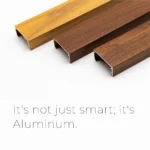
The finish range is another part of the specification conversation. We offer woodgrain and solid-color options and describe a custom color process using sublimation over a powder-coated aluminum base. Custom woodgrain and RAL solid colors are available for large-quantity orders.
That lets the distributor move the conversation beyond:
“Here is the product we stock.”
toward:
“Here is a system we can help you specify for this project.”
That is a more valuable position in the supply chain.
Think about storage before placing a large order
Storage is an easy part of sourcing to overlook.
Long profiles require suitable space, and poorly organized storage can create handling problems before the material reaches a customer.
Lightweight profiles can help with movement around the warehouse, but distributors still need a storage method that protects the finish and keeps the material organized by profile, length and finish.
A sensible stock system can separate:
profile type
finish
length
customer order
accessories
This becomes even more important when a distributor carries multiple GTO profiles and finishes.
The product range includes different Click and Universal profiles, along with rails, U profiles and angles, so organizing the inventory around complete systems can make picking and order preparation easier.
Make replacement simple
Cladding may remain in service for many years, but individual sections can still be damaged during construction or through later impact.
A distributor needs a replacement process that does not require removing an entire wall.
Our aluminum profiles as individually replaceable, allowing damaged sections to be removed rather than treating the whole surface as one unit.
That can be useful when explaining the product to a contractor or property owner:
A localized repair does not necessarily have to become a full-cladding project.
The exact replacement method depends on the installed system and the damaged area.
Make the product easy to demonstrate
Some building products need a long technical explanation before the customer understands the value.
A good cladding system can be demonstrated much more simply.
Take the profile out.
Show the rail.
Connect the profile.
Compare the finishes.
Show how the next piece connects.
Then let the customer handle it.
GTO’s Click System is built around this kind of physical demonstration: the rail provides the base, and the aluminum profile is pressed into place. The Universal System demonstrates the same simplicity differently, with the next profile sliding over the fastening point of the previous one.
That makes training easier for sales staff and gives distributors a practical demonstration they can repeat with customers.
Choose a manufacturer that understands the distributor
A manufacturer should understand that the distributor is selling confidence as well as material.
That means the supplier should help answer questions such as:
What does this product solve?
Who is it suitable for?
How is it installed?
What finishes are available?
How is it specified?
What technical information can I give my customer?
Can my customer see a sample?
Where can I get installation guidance?
GTO already maintains dedicated resources for dealers, partners, contractors, designers and product users, while its partner network provides local access in several markets.
That support structure is important because a distributor does not have to answer every technical question alone.
Build your offer around complete projects
One of the better ways to sell architectural cladding is to stop presenting it as a single material.
Present the complete route:
Choose the profile
↓
Choose the system
↓
Choose the finish
↓
Plan the layout
↓
Install the support components
↓
Install the profiles
↓
Finish corners and transitions
This gives customers a clearer buying process.
It also gives the distributor multiple opportunities to add value through product selection, samples, accessories, technical documentation, and project guidance.
Why GTO designs for this model
GTO Aluminum’s approach comes from more than three decades of aluminum extrusion and engineering experience through its parent company, Galilee Profiles, which has operated since 1993.
That background shows up in the way the products are developed.
The focus is not simply on creating an aluminum surface. The systems are designed around how the profiles are handled, connected, finished and specified.
Current product information highlights:
- lightweight aluminum profiles
- no welding for the core installation systems
- Click and Universal installation methods
- replaceable profiles
- multiple finishes and textures
- technical drawings and BIM files
- physical sample boxes
- distributor and partner support
For a distributor, those features can translate into a product that is easier to demonstrate and easier to build a sales process around.
What to check before you partner
Before committing to an aluminum cladding manufacturer, ask for evidence rather than relying only on a sales presentation.
Product
Can you get complete specifications?
Are the profiles available in the widths and finishes your customers need?
Is the material suitable for the applications you plan to sell?
Installation
Can your contractors understand the system quickly?
Are installation guides and videos available?
Do the necessary rails, trims and accessories come from the same system?
Sales
Can you get physical samples?
Can your sales team demonstrate the installation?
Are there drawings and BIM files for designers?
Logistics
How is the material packaged?
What lengths are available?
How will your warehouse handle the profiles?
What support is available for orders and shipping?
Partnership
Does the manufacturer provide dealer or distributor support?
Can someone answer technical questions?
Is there a clear process for samples, quotes and project assistance?
A manufacturer that performs well across all of these areas is more useful than one that simply offers a competitive unit price.
What your customers should see
When a customer is comparing cladding options, the conversation does not have to begin with technical specifications.
Start with what affects the project:
Easy to handle
The profiles are lightweight enough to move around the job site without the handling burden associated with heavier materials.
Straightforward installation
The Click and Universal systems use purpose-designed connection methods, with no welding required for their core installation approach.
More design choice
Profiles are available in different dimensions and finishes, with additional customization available for qualifying larger orders.
Simple product experience
Customers can see and handle samples before committing to a larger project.
Useful project support
Installation resources, technical specifications, and CAD/Revit files are available for the systems.
Those are tangible points a distributor can use in a showroom, sales call, specification meeting, or project quote.
The right manufacturing partner should make your job easier
For a distributor, the best manufacturer is not necessarily the one with the longest product list.
It is the one whose product is practical to store, straightforward to explain, manageable to ship, easy for the installer to understand, attractive enough for the customer to want, and supported well enough for the distributor to stand behind it.
That is the model behind GTO Aluminum. The product range combines lightweight aluminum profiles with Click and Universal installation systems, physical samples, technical resources, multiple finishes, and support for distributors, contractors and designers.
For a supplier looking for a manufacturing partner, that changes the value of the relationship. You are not simply adding another aluminum product to your catalog. You are adding a cladding system that gives your team something practical to demonstrate and gives your customers a clearer path from product selection to installation.
FAQs
Can aluminum cladding be supplied for both residential and commercial customers?
Yes, aluminum cladding systems can be used across different project types, but the appropriate profile, installation method and technical requirements depend on the specific application. GTO’s published projects and product information cover residential, commercial and industrial uses.
Can a distributor keep sample products in a showroom?
Yes. GTO’s sample boxes are specifically presented as easy to store and display, making them suitable for customer presentations and finish comparisons.
What happens when a customer needs a finish that is not part of the standard range?
GTO publishes custom woodgrain and RAL solid-color options for large-quantity orders. Availability and minimum quantities should be confirmed with the manufacturer for the specific project.


